Office Removals in Canary Wharf
Moving an office in Canary Wharf is rarely just a matter of lifting boxes from one place to another. It often means coordinating elevators, access times, loading bays, building management rules, IT equipment, confidential files, and the pressure of keeping business disruption to a minimum. Whether you are relocating a single suite in a tower block, moving a growing team into a larger workspace, or shifting part of your operations to another part of East London, Office Removals in Canary Wharf needs to be handled carefully, efficiently, and with proper local knowledge.
Canary Wharf has a very particular working environment. The mix of high-rise commercial buildings, serviced offices, shared workspaces, and nearby residential developments means that every move comes with its own practical challenges. Lift bookings may be required in advance. Parking can be limited or tightly controlled. Security checks and building access procedures can take time. A local office removals team that already understands these realities can help make the process smoother from the start.
If you are planning a business move in or around Canary Wharf, the right support can save time, protect equipment, and reduce stress for your team. From initial planning to final placement at the new site, a reliable office removals service should be organised around your schedule and your business needs. Contact us today to request a free quote and discuss the practical steps for your move.
Why businesses choose office removals support in Canary Wharf
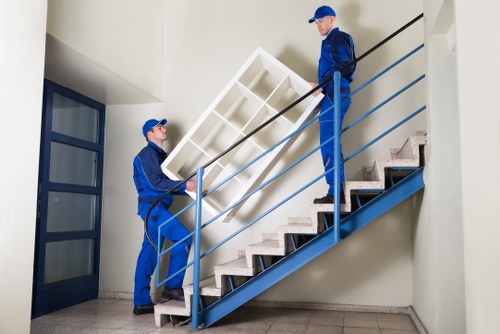
Companies based in Canary Wharf often operate in fast-moving sectors, so the priority is usually to keep downtime as low as possible. Financial services teams, legal firms, consultancy practices, creative agencies, and technology businesses all need different moving plans, but they share one thing in common: work needs to continue with as little interruption as possible. That is where a structured office removals service becomes valuable.
A professional team can help with dismantling desks, moving filing systems, transporting office chairs and storage units, and managing sensitive items such as monitors, laptops, printers, servers, and archived documents. For many businesses, the biggest concern is not only the physical move itself, but what happens to day-to-day operations if something is delayed or damaged. Careful planning helps reduce that risk.
Local knowledge is especially useful in Canary Wharf because business premises vary so much. Some offices are in tall commercial towers with strict delivery schedules. Others are in smaller shared spaces or serviced buildings where access windows are short and common areas must be kept clear. A team that has handled office moves in the area before is more likely to anticipate these details rather than being caught out by them.
What is included in an office removals service

Every office move is different, but a well-organised removals service will usually cover a range of practical tasks that make the relocation easier. These can be tailored depending on the size of the business, the type of building, and whether the move is local, regional, or part of a larger company relocation.
Common office removals services include:
- Pre-move planning to understand access, timing, equipment, and special requirements.
- Packing support for documents, office supplies, and non-essential items.
- Furniture dismantling and reassembly where required.
- Safe transport of desks, chairs, storage, IT equipment, and other office contents.
- File and archive handling with care for confidential materials.
- Loading and unloading coordinated around building rules and access points.
- Placement at the new premises so teams can get back to work faster.
- Optional out-of-hours moves for businesses that need to avoid business disruption.
Some businesses also need specialist support for fragile equipment, oversized furniture, or departments that must be moved in phases. If you are relocating a reception area, a boardroom, or an entire floor, it is useful to work with a team that can adjust the move plan to match the layout and timing of your building.
Local knowledge matters in Canary Wharf

One of the biggest advantages of choosing a local team for office removals in Canary Wharf is practical familiarity with the area. Local crews are more likely to understand the patterns of traffic, the restrictions around loading, and the way different buildings manage deliveries and access. That can make a big difference on moving day, especially when time slots are limited.
Canary Wharf is busy throughout the week and often especially active during commuter hours. Roads, lift access, and service entrances can all be affected by the constant movement of people and vehicles. If your office move requires precise timing, a local removals team can plan around these constraints and help reduce the chance of avoidable delays.
The area also includes a mix of workplaces and homes, with nearby locations such as Poplar, Blackwall, Isle of Dogs, Limehouse, Wapping, and parts of East London all serving business customers who may need office relocation support. That wider local reach is helpful for companies moving between buildings in neighbouring districts, or for businesses expanding from Canary Wharf into nearby commercial spaces.
Types of office moves we help with
Not every move involves an entire company leaving one building and arriving in another at the same time. In many cases, businesses need a more flexible approach. The best office removals service will be able to adapt to the size and shape of the job rather than expecting a one-size-fits-all process.
Typical office move types include:
- Full office relocations for companies moving everything to a new site.
- Internal office moves within the same building, floor, or business complex.
- Partial moves for departments, project teams, or archive storage.
- Small business removals for startups, small firms, and independent professionals.
- Phased relocations where different teams move on separate dates.
- Fit-out and changeover moves for businesses preparing a fresh workspace.
Many Canary Wharf businesses also need to move at times that suit the working week, building access rules, or the availability of staff. An experienced office removals team can plan around these requirements and help maintain continuity while the move is underway.
For some companies, the move is linked to growth. For others, it may involve downsizing, merging teams, or relocating after a lease change. Whatever the reason, a well-managed move helps protect business continuity and gives staff a better experience from the beginning.
Commercial and residential-style support for mixed local needs
Canary Wharf is primarily known for commercial space, but the surrounding area also includes residential developments and mixed-use buildings where professionals may live and work. That can create different moving requirements, such as moving a home office setup, relocating between serviced apartments and office space, or shifting business items through shared access routes. A flexible local removals service can handle these mixed needs with care.
In practice, this means paying attention to building rules, lift availability, visitor access, concierge requirements, and any restrictions on using trolleys or carrying equipment through communal areas. These details may sound small, but they can affect the pace and ease of the move.
How the office removals process usually works

A structured process helps reduce uncertainty and gives your team a clear picture of what to expect. While every move is different, office removals in Canary Wharf usually follow a sequence that starts with planning and ends with setup at the new location.
Here is a typical process:
- Initial enquiry and assessment to understand the size of the move and the timetable.
- Site review or detailed discussion to identify access points, parking, lift use, and any handling issues.
- Move planning to decide what goes first, what needs packing, and how the teams should be organised.
- Packing and preparation for items that can be safely boxed or labelled in advance.
- Move day execution with loading, transport, and careful unloading at the destination.
- Placement and reassembly so desks, furniture, and key items go where they are needed.
- Final checks to confirm that essential items have arrived and the workspace is ready for use.
Good communication is important at every stage. The removals team should know who the main contact is, which items are urgent, whether any equipment needs special treatment, and whether there are building-specific instructions. This avoids confusion and helps everyone work from the same plan.
For businesses under time pressure, moving outside normal office hours may be the most practical option. Evening or weekend moves can be especially useful when the office must be cleared without interrupting clients, staff meetings, or trading activity.
Preparing your office for the move

Good preparation can make the actual move faster, safer, and easier for everyone involved. Even if you are using a full-service removals team, there are still steps your business can take before moving day to reduce disruption and avoid last-minute issues.
Preparation checklist:
- Confirm the moving date and any access windows with building management.
- Tell staff what should be packed, labelled, or left ready for collection.
- Back up digital files and make sure essential data is secure.
- Separate confidential items that need special handling.
- Disconnect and label IT equipment where appropriate.
- Empty personal items from desks, drawers, and shared storage.
- Set aside key documents or items that should move first.
- Check whether parking, loading, or lift bookings are required.
- Decide which furniture should be moved, replaced, or disposed of.
It also helps to appoint someone inside your business to oversee the move. That person can answer quick questions on the day, confirm where items should go, and make decisions if anything unexpected happens. For larger office removals, having one central contact can keep the process much more organised.
Labeling is especially useful when moving into a new office layout. Colour-coded boxes, room labels, and department tags can make it easier to position everything correctly and get teams working again sooner.
Handling office equipment and sensitive materials
Modern offices contain a wide mix of valuable, fragile, and confidential items. A proper removals plan should take that into account rather than treating everything as standard furniture. This is particularly relevant in Canary Wharf, where many businesses rely on specialist equipment, secure documents, and compact workspace layouts.
Items that often require extra care include:
- Desktop computers, monitors, docking stations, and laptops.
- Printers, scanners, and shared office machines.
- Servers and network-related equipment.
- Archive boxes and confidential file storage.
- Presentation screens and boardroom technology.
- Reception furniture and client-facing display items.
- Fragile décor, glass partitions, and specialist fittings.
When handling this kind of equipment, the objective is not just to move items safely, but to preserve business continuity. Careful packing, clear labelling, and thoughtful loading order can reduce the risk of damage and help your team restart work with fewer delays. If you have items that must be moved last or unpacked first, those instructions should be built into the plan.
IT coordination and workspace continuity
Many office moves in Canary Wharf involve coordination with internal IT teams or external support providers. Even if the removals team is not responsible for reconnecting systems, it still helps to have a clear sequence so that equipment is not placed in the wrong area or handled before it has been safely disconnected. For companies with more complex setups, this planning can be one of the most important parts of the move.
In some cases, businesses prefer to move non-essential items first and then complete the transition for computers and live systems in a shorter final window. That approach can be useful when downtime needs to be kept low and staff need to return to normal working conditions quickly.
Pricing factors for office removals in Canary Wharf
Every office move is different, so the cost depends on the specific details of the job rather than a simple flat approach. A trustworthy removals company will look at the practical factors that affect time, labour, and transport requirements before preparing a quote.
Pricing factors often include:
- The size of the office and number of items to be moved.
- The amount of packing, dismantling, or reassembly needed.
- Access conditions at both buildings, including lifts and stair use.
- Parking and loading limitations in Canary Wharf or nearby streets.
- The distance between the old and new premises.
- Whether the move needs to happen out of hours or over a weekend.
- Any specialist handling requirements for fragile or sensitive items.
- Whether the move is phased over several days.
Because commercial buildings in Canary Wharf often have strict access procedures, it is important to factor in the practical time needed to complete the move. A quote that looks simple on paper may not reflect the actual conditions of the site. This is why local experience and clear communication matter so much when comparing options.
Request a free quote once you know your move date, approximate item list, and building requirements. The more detail you can provide, the easier it is to plan accurately.
Why a local company can make the move easier
Choosing a local office removals company in Canary Wharf gives you access to practical knowledge that is difficult to replicate from outside the area. A local team is more likely to know how to navigate busy commercial surroundings, what building managers often expect, and how to work efficiently within time restrictions.
Advantages of a local removals provider include:
- Better understanding of local access and parking conditions.
- More realistic scheduling around busy periods and building rules.
- Faster response for pre-move planning and short-notice changes.
- Experience with high-rise offices, shared workspaces, and mixed-use developments.
- Greater awareness of nearby routes and alternative loading options.
For businesses moving within Canary Wharf or to nearby districts such as Poplar, Limehouse, Blackwall, Millwall, or the Isle of Dogs, this local familiarity can reduce pressure on the day. It also helps when your office move forms part of a wider relocation plan involving storage, refurbishments, or phased department moves.
Supporting businesses of different sizes
Local office removals are not only for large corporations occupying whole floors. Smaller businesses need efficient relocation support too, especially when they are growing out of a serviced office or changing premises after a lease change. A flexible team should be able to help with compact offices, shared spaces, and more substantial corporate relocations alike.
That adaptability matters in Canary Wharf, where the workplace landscape ranges from small satellite teams to major headquarters operations. A good removals service should match the scale of your business rather than forcing your move into a rigid format.
Areas covered around Canary Wharf
Office removals demand practical local coverage, especially when businesses are moving between nearby locations or need help with more than one site. In addition to Canary Wharf itself, many customers also need support in surrounding areas of East and South East London.
Common nearby areas include:
- Poplar
- Blackwall
- Isle of Dogs
- Millwall
- Limehouse
- Wapping
- Stepney
- Custom House connections for wider business travel routes
This wider coverage is useful for companies moving from one office building to another nearby, as well as for businesses whose staff live in the area and may be helping with setup on the receiving end. If your relocation involves a combination of office, storage, and mixed-use access points, a local team can coordinate the move more efficiently across different locations.
Canary Wharf office removals often work best when the team understands both the building itself and the surrounding streets. That combination helps with timing, route planning, and access to the right entry points for loading and unloading.
What makes a move in Canary Wharf different?
Although office removals share common steps wherever they happen, Canary Wharf brings specific considerations that should not be overlooked. The density of the area, the nature of the buildings, and the pace of commercial activity all influence how a move should be planned.
Some of the main challenges include:
- Restricted access times for goods lifts and delivery bays.
- Busy pedestrian environments around office towers and transport links.
- Limited on-street parking and controlled loading arrangements.
- Security procedures that can add time if they are not planned in advance.
- Shared entrances and internal circulation spaces that need to stay clear.
Because of these factors, office removals in Canary Wharf work best when they are approached with detail and realism. The move is not only about transport; it is also about preparation, building coordination, and making sure the new workspace is ready for immediate use where possible.
FAQs about office removals in Canary Wharf
Below are some common questions asked by local businesses before booking a move. If you are in the early stages of planning, these answers may help you decide what to do next.
How far in advance should I arrange office removals?
It is usually best to start planning as early as possible, especially if your building has strict access rules or if you need an out-of-hours move. Larger offices and complex relocations often need more preparation time than smaller moves.
Can you move offices outside normal working hours?
Yes, many businesses prefer evening or weekend moves to reduce disruption. This is particularly helpful in busy commercial areas such as Canary Wharf, where office access and staff schedules can make weekday moves more complicated.
Do I need to pack everything myself?
Not necessarily. Some businesses prefer full packing support, while others only need help with transport and heavy furniture. It depends on your timetable, internal resources, and the level of support you want.
What happens to confidential documents?
Confidential files should be identified in advance and handled according to your own internal procedures. If your office contains secure records, it is important to discuss those needs clearly during the planning stage.
Can you help with dismantling desks and office furniture?
Many office removals services include dismantling and reassembly where needed. This can be especially useful for larger desks, boardroom tables, storage units, and other furniture that is difficult to move in one piece.
What if my building has limited lift access?
That is common in Canary Wharf and should be factored into the move plan early. A local removals team can work around lift booking times, loading windows, and other access requirements more effectively when these details are known in advance.
Can you help with small office moves as well as large ones?
Yes. Small office relocations are very common, especially for startups, consultants, and professional firms moving within the local area. The service should be flexible enough to match the size of your business.
How to choose the right office removals team
When choosing a provider for office removals in Canary Wharf, it helps to look beyond just the date and the transport. You want a team that understands the practical demands of commercial moving and communicates clearly from the beginning.
Look for a team that can offer:
- Clear planning and realistic scheduling.
- Experience with business premises and office equipment.
- Flexibility for different move sizes and timelines.
- Understanding of access restrictions and building procedures.
- A professional approach to packing, transport, and setup.
- Support that feels organised, not rushed.
It is also sensible to choose a company that can talk you through the move in plain language. Office relocations are easier when everyone knows what will happen, who is responsible for each step, and what needs to be ready on the day.
Book your office move with confidence
If you are preparing for a business move in Canary Wharf, the right removals support can make a noticeable difference to how smoothly the process goes. From planning and packing to transport and placement, each step should be built around your working schedule and your building’s requirements.
Whether you are moving within Canary Wharf, relocating to nearby areas such as Poplar or Limehouse, or arranging a phased move across multiple sites, a local team can provide the practical support needed to keep things moving. Request a free quote, discuss your office layout, and get your move organised with less stress.
Contact us today to book your service now and take the next step toward a smoother office relocation in Canary Wharf.